

Coffee tours in Costa Rica are a great way to learn about the country’s rich coffee history and culture. Costa Rica is one of the world’s leading producers of coffee, and coffee tours offer visitors a unique way to learn about the country’s coffee industry. There are many different coffee tour operators in Costa Rica, and each offers a unique experience. When choosing a coffee tour in Costa Rica, it is important to consider what type of experience you are looking for. Some coffee tours focus on the history and culture of Costa Rican coffee, while others offer a more hands-on experience, such as learning how to roast coffee beans. If you are interested in learning about the history and culture of Costa Rican coffee, one of the best coffee tours is the “Coffee Tour of the Central Valley” offered by Costa Rican coffee company Doka Estate. This tour takes visitors on a journey through the country’s coffee-growing regions, from the Central Valley to the Tarrazu Mountains. Along the way, visitors will learn about the different coffee-growing methods used in Costa Rica, as well as the country’s coffee history. If you are looking for a more hands-on coffee tour, “The Ultimate Coffee Experience” offered by Café Britt is a great option. This tour takes visitors to a working coffee farm, where they will learn about the coffee-making process from start to finish. Visitors will also have the opportunity to pick coffee beans and taste freshly roasted coffee. Whether you are interested in the history and culture of Costa Rican coffee or you want a more hands-on experience, there is a coffee tour in Costa Rica that is perfect for you.
The country has received international awards for producing some of the world’s best coffee. Visit a coffee plantation in Costa Rica to learn about the country’s coffee culture. Cafe Britt is one of the largest and oldest plantations in the world, dating back to 1991. It is most likely the most well-known. You feel at ease at El Toledo because it has a family feel to it. Many coffee plantations in Costa Rica now offer tours as a part of their business operations. The following four plantations offer the best opportunity for novice and experienced coffee drinkers alike, whether they are looking for a cup of coffee or simply enjoy learning everything there is to know about coffee.
There will be a noticeable difference between each coffee tour, whether it’s the size, appearance, or location. There are numerous ways to learn more about how coffee is grown in Costa Rica, and one of the most effective is to take a coffee plantation tour. A coffee tasting, a tour of the plantation, and transportation to and from the plantation are included in the tour package. For a visit to a coffee plantation, the cost varies from farm to farm but is typically between $20 and $30.
There is no other coffee with this flavor, and it comes from Costa Rican producer Volcanica. Costa Rica Peaberry coffee from Volcanica Coffee is a fantastic variety from the Central American country. A medium roast of these richly flavored whole beans yields a smooth brew with no bitterness.
Every Costa Rican store carries the popular café brett coffee brand. They even own their own branded stores in malls, hotels, and airports across the country. Given the variety of blends and roasts available, it’s easy to see whyBritt makes excellent coffee.
Tarrazu Valley, located in the Costa Rican highlands, is one of the world’s most prestigious coffee-producing regions. Its volcanic soils, cool climate, and high altitude combine to create coffees that are widely regarded as extremely light, clean, and aromatic.
How Much Does It Cost To Visit A Coffee Plantation In Costa Rica?
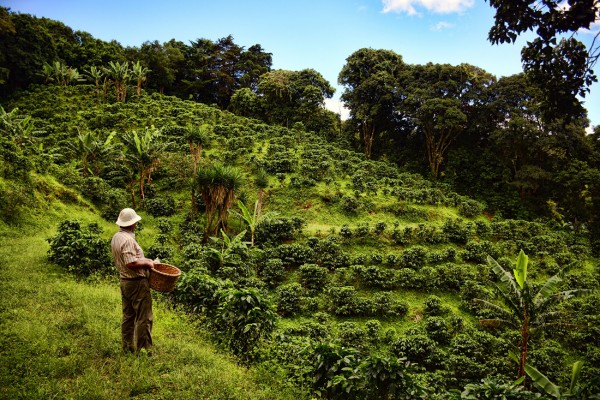
There is no definitive answer to this question as it can vary greatly depending on the specific coffee plantation and the amenities that are included in the visit. However, as a general range, one can expect to spend anywhere from $25-$100 per person for a basic tour of a coffee plantation in Costa Rica. If you are looking for a more comprehensive experience that includes things like coffee tastings and lunch, then you can expect to spend closer to the upper end of that range.
Costa Rican coffee plantations produced nearly 1.4 million bags of 60 kilograms each in 2016/2017, according to the most recent data. The taste of Arbica beans is smooth and sweet, and the flavor is well-suited for brewing. In many blends, the country’s flavors are represented by notes of roasted chocolate, berries, and citrus. Discover the process of roasting, extraction, and drying coffee beans in Costa Rica’s coffee plantations. Sampling of their signature blends is available as well as the option to sample other organic coffees of choice from many plantations. Snorkeling, scuba diving, and surfing are a few other activities available in Costa Rica.
You may also want to try some coffees from other Costa Rican countries, such as La Colombe and Caffé Brit. La Colombe is a little more expensive, but it is also a better value for your money because of its exceptional flavor. If you’re looking for something a little more luxurious, Cafe Ambrosia is a good place to start. This is a fine restaurant at a reasonable price, but the quality and service are second to none. As a result, whatever you’re looking for, Costa Rican coffee will satisfy. To get the best coffee, it’s best to pay a little bit more than in your home country.
Costa Rica’s Coffee Production
The Costa Rican coffee industry produces 90 percent of the world’s coffee, making it one of the world’s leading producers. The Central Valley is a fertile volcanic soil area in the center of the country that is 1,200 to 1,900 meters above sea level. This coffee is grown there. The climate is pleasant, and the weather is generally pleasant. The coffee is processed using the wet milling technique.
Is Coffee Expensive In Costa Rica?

Coffee is one of the most popular beverages in the world, and Costa Rica is no exception. However, coffee can be expensive in Costa Rica, depending on where you buy it and what type of coffee you want. For example, a cup of coffee at a local cafe can cost around $2, while a cup of specialty coffee at a tourist cafe can cost upwards of $5. If you’re on a budget, you can find cheaper coffee at local supermarkets, but it will likely be of lower quality.
This year’s Costa Rica Cup of Excellence went to La Mesa Coffee Company in Dota, Tarraz*. During a recent auction, Japanese buyers paid $41.20 per pound for the green, unroasted beans. A single serving of coffee will set you back $3,250, a $6 premium over the regular. Prior to the 1990s, coffee farmers were required to sell approximately 9% of their crop to local consumers. The Costa Rican Coffee Institute even dyed beans blue to keep them from being exported. By the early 2000s, Costa Rica had experienced the Starbucks revolution as well as an increase in the popularity of coffee-based drinks in the mass market. In recent years, coffee culture in Costa Rica has taken off.
Terroir and the complex flavor spectrum of wine are both trendy concepts that are associated with wine. Coffee shops are opening up all over the Central Valley, particularly in San José. Customers who want to eat their breakfast are willing to pay more than $40 per pound.
If you’re looking for a place that allows you to escape the crowds while still experiencing the best natural beauty on the planet, Costa Rica is a good place to start.
It is known for its high-quality coffee beans and beautiful landscapes, as well as its high-quality coffee beans. Coffee is grown in the country in good growing conditions, with high altitudes and fertile volcanic soil. The beans have a distinct flavor due to their warm temperatures, steady rainfall, and tropical climate. Due to Costa Rica’s status as a developed country, the cost of transportation and food varies greatly from one country to another. Nonetheless, if you want to escape the crowds and enjoy some of the most beautiful natural beauty in the world, Costa Rica is a fantastic place to visit.
Does Costa Rica Have The Best Coffee?

There is no definitive answer to this question as everyone has different coffee preferences. However, Costa Rica is generally considered to produce some of the highest quality coffee beans in the world. So if you’re looking for a great cup of coffee, Costa Rica is a good place to start.
Costa Rica is one of the world’s largest producers and suppliers of premium coffee beans. Tarrazu, the most well-known coffee growing region in Costa Rica, is a popular tourist destination. Coffee beans from Central Valley farms (Huecacosta), Orosi, Brunca, Tres Rios, Turrialba, and Valle Occidental can also be found in other regions. Coffee beans were first discovered in Africa and are thought to have originated in Southern Arabia. Because volcanic ash is a major contributor to the soil fertility of the country surrounding the volcanos, agriculture is highly dependent on the volcanic ash. Because Costa Rica’s coffee beans are hand-picked, only the best ones are used to make it.
Only 100% Arabica beans are permitted in Costa Rica, which is the only country in the world that prohibits the production of non-Arabica beans. Farmers in Costa Rica were encouraged to pursue excellence and produce the world’s highest quality coffee under this law, which was passed in 1989. This tropical coffee has a strong fruity flavor, is frequently used as coffee liqueurs and chocolate-coated coffee beans, and is prized for its bright and fruity flavor. Visiting Costa Rica can be enjoyable in addition to its numerous delicious restaurants and lively atmosphere. If you travel to Costa Rica, make sure to bring a little Jules de Vienne with you.
Best Coffee And Chocolate Tour In Costa Rica
The best coffee and chocolate tour in Costa Rica takes place in the Tarrazu region, where some of the best coffee beans in the world are grown. The tour includes a visit to a working coffee plantation, where you’ll learn about the process of growing and harvesting coffee beans. You’ll also get to sample some of the delicious chocolate that Costa Rica is famous for.
In Costa Rica, approximately 3,500 families grow cocoa while approximately 43,000 farms grow coffee. Many of these families’ chocolate is also sold in their shops, allowing you to sample it before making your tour reservation. In Costa Rica, the majority of producers are small-scale farms that produce high-quality products that their customers appreciate. The quality of Costa Rican coffee is exceptional, and its growing conditions are nearly perfect, making it one of the best in the world. Don Juan’s Coffee Farm in Monteverde is one of the most popular coffee farms in the region. The mountain range is high above the ground, on the slopes of Po*s Volcano and Barva Volcano. The first and only coffee farm in Costa Rica is a joint venture between the country’s two largest coffee producers.
They use their 30 acres of rich soil to produce a high-altitude organic coffee that tastes just as good. It is a 240-hectare farm located at the base of the spectacular Po*s volcano, an hour from San Jose. Up until the 1930s, chocolate was a currency in Costa Rica, and it is still considered a cultural treasure. The Bri Bri community in northern Nigeria is one of many indigenous communities that believe that the presence of chocolate can be beneficial. Bribri is a neighborhood in Puerto Viejo, which is about 4-5 hours from San Jose. In La Fortuna, it’s fun to learn about chocolate. Rainforest Chocolate’s ‘hands-on’ tours allow you to participate in the chocolate’s manufacturing process as well as learn about the process.
Throughout the day, there are several tours that last about two hours. You can explore La Fortuna’s waterfalls and volcanoes by taking a hike along the surrounding trail. You have a fascinating insight into how coffee and chocolate are made. Small coffee and cocoa farmers in Costa Rica benefit greatly from participating in any sustainable coffee or cacao tour. We enjoy the Bribri community chocolate tour, but it’s our favorite tour as well.
Coffee Tour Near San José Costa Rica
Coffee tours near San Jose, Costa Rica are a great way to learn about the country’s rich coffee history and culture. Costa Rica is one of the world’s leading producers of coffee, and a tour of a coffee plantation is a great way to see how the beans are grown and processed. Many tours also include a tasting of some of the country’s best coffee.
Costa Rica produces some of the world’s best coffees. Learn how coffee beans are grown, harvested, and roasted in this interactive tour. La Fortuna’s North Fields Coffee Tour is an enjoyable, engaging, and energizing way to spend a day with friends and family. The Doka Estate Costa Rica Coffee Tour is one of the country’s largest coffee farms. A chocolate and coffee tour is offered in Manuel Antonio. Learn about how chocolate grains are collected, the fermentation process, the grinding, and finally how the chocolate is made. During this course, we will learn how to make Cafe-Chorreado, the Costa Rican coffee-making technique. Two beautiful oxen run the sugar cane mill.
Best Coffee Farms In Costa Rica
Some of the best coffee farms in Costa Rica are located in the Tarrazu and Tres Rios regions. These regions are known for their high-quality coffee beans and ideal growing conditions. Coffee farms in these regions often produce award-winning coffees. Other notable coffee-growing regions in Costa Rica include the Central Valley and West Valley.
Coffee has a strong relationship with Costa Rica’s hospitality and family traditions. A fully immersive tour of the facility is available at Hacienda Espritu Santo. It is a boutique-style hotel that welcomes guests looking to sample the region’s coffee plantations. The Doka Estate is a large coffee and sugar cane plantation in Costa Rica. You can even participate in the picking during the harvest season, which runs from October to January. Don Juan Coffee makes a quality cup of coffee, and you’ll be able to mentally review all of the steps involved.
Central Costa Rica produces some of the world’s best coffees. In Central Costa Rica, the micro-climates expose the coffee beans to rapid and significant temperature changes, resulting in a hard and fine bean. Because of the high altitude and warm weather all year, it is ideal growing conditions for Arabica beans.
Coffee Plantations In Costa Rica
Coffee plantations in Costa Rica have a long and storied history, dating back to the early 1800s when the country was first colonized by the Spanish. Since then, coffee has been an important part of Costa Rican culture and economy, with the country now being one of the world’s leading producers of the bean. Costa Rican coffee is known for its unique flavor profile, which is often described as being bright and fruity with a hint of chocolate. The country’s ideal climate and volcanic soils are perfect for growing coffee, and many of the country’s plantations are located in the lush, mountainous regions. In recent years, Costa Rica has also become known for its sustainable and ethical coffee production, with many farmers utilizing organic and fair trade practices. A visit to a coffee plantation is a great way to learn about Costa Rican history and culture, and of course, to enjoy some of the country’s delicious coffee!
Costa Rica’s coffee economy is deeply intertwined with a variety of other aspects, and one of its most important exports is its coffee. In most cases, you will embark on a tour from the beginning in order to fully understand the journey that the coffee bean must take before it can shine brightly in your morning cup of joe. In Costa Rica, any product containing less than 100% Arabica beans is prohibited. When you visit a coffee plantation, you can gain a better understanding of what it’s like to live on it and connect with the farm grounds. You can see how the red coffee cherries are transformed into the delicious brown coffee bean in this video. Costa Rican coffee is made in a way that gives it a distinct flavor by using chorreadors. Tour a coffee plantation and learn what it’s like to grow beans on a coffee farm. Taking you on a journey through history and walking you through the steps it must take before it becomes a part of your daily routine.
Due to El Nio, the Costa Rican coffee harvest was delayed by two months this year. Farmers have been forced to file for bankruptcy due to a lack of access to the same market as last year. This year’s coffee beans will be of lower quality due to the delay, but they will be worth it because they taste so good. Farmers who have survived will be able to sell their coffee for a lower price, but the quality will be high. El Nio has caused widespread destruction in other parts of the world, but it has had little impact on Costa Rica. It has adapted and emerged stronger as a result. In Costa Rica, there are always new challenges to meet. As a result, it is an extremely resilient country in the face of adversity. This country is built on the foundations of resilience and determination.
The Best Place To Grow Coffee: Costa Rica’s Terrazu Region
The Terrazu region of Costa Rica is well-known for producing high-quality coffee, which is why it is regarded as the ideal place to grow it. Over 70,000 coffee farmers live in Costa Rica, with the majority of them in one of seven regions mentioned. Coffee beans are grown in high-elevation regions, producing high-acidity, good-tasting beans. The scent is also strong.