

The term “specialty coffee” is relatively new, only having been coined in the 1970s. However, the coffee beans that we now know as specialty coffee have been around for centuries. The coffee plant, Coffea Arabica, is native to Ethiopia and was first cultivated in Yemen. From there, it spread to the Middle East, North Africa, and eventually Europe and the Americas. The first coffee houses appeared in the early 1600s in Europe, and coffee quickly became a popular drink. However, it wasn’t until the 1800s that coffee started to be roasted and ground, making it more accessible and easier to prepare. It wasn’t until the 1970s that the term “specialty coffee” was coined, and since then the specialty coffee industry has grown exponentially. Specialty coffee beans are now grown in over 50 countries around the world, and the coffee industry is worth billions of dollars. So, when did specialty coffee start? You could say it started centuries ago with the coffee plant itself, or more recently in the 1970s when the term was first coined. However, specialty coffee is more than just a type of coffee bean – it’s a process, an experience, and a way of life.
The term specialty coffee refers to coffee that is at least 80 points high on a scale of 100. Each product must not contain any Primary or Secondary defects and must have a Defect Frequency of less than 5. Farmers raise coffee at high altitudes because they have access to good growing conditions. The coffee is then roasted and meticulously grown before being used by baristas to create fine beverages. Most countries grow coffee on a commercial scale, though they produce a small amount of speciality coffee as well. Specialty coffees can be found in many countries, including Ethiopia, Kenya, and Colombia. More and more countries, including some lesser known ones, are attempting to produce world-class coffee. The taster must be able to roast the coffee and brew it with hot water using his or her skills.
Specialty coffees have reached their peak and distinguish themselves from other types of coffee because they have been grown at the ideal altitude, in the ideal soil, at the right time of year, and then picked right away. To put it another way, everything adds up to some of the world’s most exciting and delectable coffees.
According to the Specialty Coffee Association (SCA), specialty coffee is coffee that has been graded above 80. It’s not about how well you look on screen; it’s about how well the story is written and directed, as well as how the entire production process goes on from beginning to end.
Over 20% of specialty coffee drinkers reside in urban areas, with the vast majority under the age of 40. Specialty is a preferred source of income for Hispanic-Americans and Asian-Americans. Specialty coffee drinkers’ attitudes and behaviors have been shown to be more engaged in the consumption of coffee.
When Can We Define Coffee As Speciality Coffee?
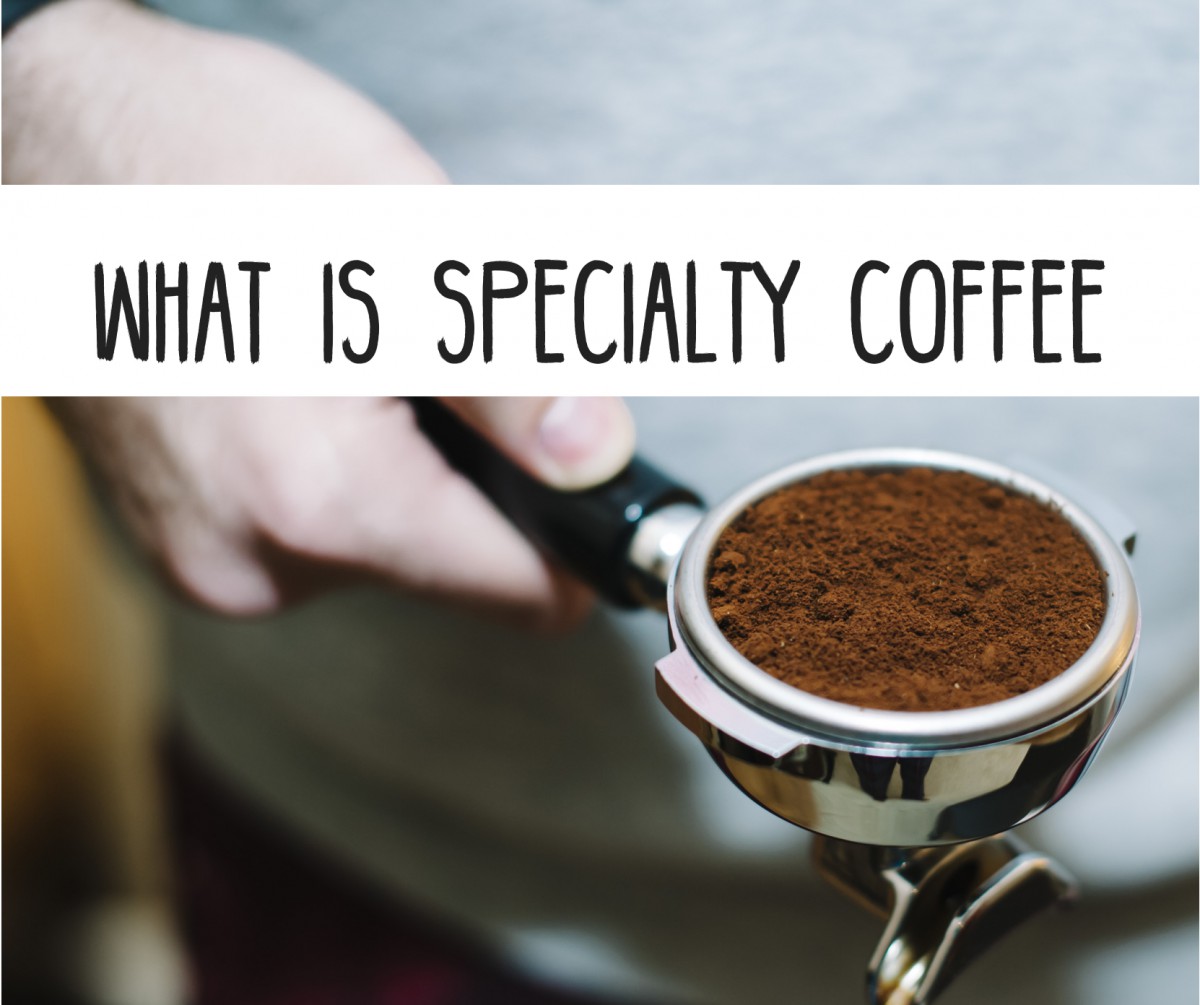
Specialty coffee can be defined in a few different ways. One way is by the coffee’s country of origin. Another way is by the coffee’s grade, which is determined by factors like bean size and shape, number of defects, and altitude. Finally, specialty coffee can also be defined by its flavor profile. This is often determined by factors like the coffee’s roast level, brewing method, and grind size.
When Did Third Wave Of Coffee Begin?

The term “third wave of coffee” was coined in 1999, and it quickly spread to other countries. Consumers began to realize that there was more to coffee than bitterness and ashy flavors, which resulted in a coffee renaissance.
The third wave of coffee is defined as an appreciation for coffee as an artisan or craft beverage. In the same way that fine wines and craft beers are revered, coffee is revered as well. This culinary approach to coffee is nothing new to the industry; it stems from the days when tin cans and instant coffee were on the shelves. Satori Kato, a Japanese-American, applied his dehydration method to coffee in 1903. Nestle’s Nescafe instant coffee was one of the first to be widely distributed in 1938. It was the beginning of the mass market in the United States for coffee. For the previous few decades, Mr. Coffee had grown to sell over 40,000 bags per day.
The coffee industry grew to be a massive business, attracting customers to a physical store. Starbucks first opened its doors in 1971, specializing in fresh roasted coffee beans. Coffee historians place the wine industry in the history of coffee, citing its influence and practical applications. Because third wave technology has only recently become available, there is very little historical context for it. Coffee lovers, in addition to being interested in the flavor of the coffee, are interested in its character. It can be more of an anti-bad coffee movement than a celebration of bad coffee. As part of a new emphasis on transparency, consumers can now trace the provenance of their favorite coffee to the farm where it was grown, and it has become increasingly easy to trace its origin.
Among the largest third wave businesses are Intelligentsia Coffee, Teavana, Counter Culture Coffee, and Stumptown Coffee Roasters. During the early days of coffee, the talent and money were put into ways to help the poor with a cup of joe. During the second wave of coffee consumption, consumers propelled companies such as Starbucks and Caribou to the top of the market. Independent coffee shop businesses are currently experiencing fourth wave growth. In my pursuit of coffee, I have progressed from the first wave of coffee to the third wave. As an individual, my appreciation for coffee stems not only from the quality of the product, but also from its political and economic impact. So, whatever wave you adhere to, here’s to COFFEE.
He began roasting the beans to enjoy the new flavor after discovering that they had some special properties. A third wave of coffee is spreading around the world as people try to discover the distinct flavors and properties of this unique coffee. What is in my name? Coffee is not defined by a single term, as the term has been used to describe a variety of styles. In general, a third wave coffee is defined as a drink that has a distinct flavor and is made with high-quality beans; it is also consumed as a distinct flavor for its properties. Individuals and businesses are turning coffee into more of an artisan drink, a specialty drink, as part of the third wave of coffee. Third-wave coffee is made from high-quality beans and has a distinct flavor that is enjoyed individually.
What Makes A Coffee Shop Third Wave?
The Third Wave is characterized by increased coffee quality, greater direct trade, a greater emphasis on sustainable practices, lighter roast profiles, and innovative brew methods.
Third Wave Water: The Future Of Alkaline Wate
To provide a more alkaline water profile as well as muscle recovery, the Third Wave Water packets were created with two primary objectives in mind.
For the sake of overall health, the Third Wave Water packets provide a more alkaline water profile. The packets’ minerals in the Classic Profile support muscle health and growth, and they aid in muscle recovery.
What Is The Difference Between Commercial Coffee And Specialty Coffee?
Commercial coffee is typically roasted and packed in large plants under a national brand name. Traditional methods and technology are used to roast specialty coffee in small stores or factories, which are commonly sold at specialty coffee shops and restaurants.
Specialty coffees are high-quality coffees with a specific flavor such as caramel, citrus, fruity, or even floral (SCA) that are graded 80 or higher. Cocoa, chocolate, and nuts are some of the flavors used in commercial coffee. Robusta coffee beans are the primary component of commercial coffee, whereas single-origin and single estate coffee are made from only arabica coffee beans. This bean has a much milder, sweeter, and gentler taste than others. It’s oblong and chunkier than arabica beans, and it’s also rounder. The most expensive coffee bean in the world is the Geisha coffee bean, which costs up to $2,000 per pound to roast. Robusta beans, on the other hand, are more profitable than arabica beans.
Farmers provide less care for Robusta during extreme heat because it tolerates it without becoming stressed. The term “specialty coffee” refers to coffee that is more expensive than other types of coffee. Experts who have been working on this project for decades have grown the beans. Single-origin blends are made up of different types of beans grown in different parts of the country. As a result, because Bolivia’s indigenous people lack infrastructure and thus incur higher costs, they can continue to sell coffee. If you’re new to the game, it’s difficult to find good single estate coffee unless you’ve been in it for a while. The correct temperature is said to be between 94 and 204 degrees Fahrenheit or 90 to 96 degrees Celsius.
Some coffee circles dispute the use of excessive amounts of coffee and water. The amount of light that enters the coffee is measured by the use of a coffee refractometer. One of the primary responsibilities of a professional is to determine the exact grind size. Commercial coffee contains more caffeine and can lead to heartburn. Specialty coffee is becoming more widely known than ever before. The benefits of specialty coffee include a worldwide supply of coffee, as well as the taste of the beverage.
What Percentage Of Coffee Is Specialty Coffee?
Approximately 37% of all coffee cups in the United States are made of specialty coffees, which are regarded as the highest quality. According to a recent study, the retail value of U.S. coffee is estimated to be between $30 and $32 billion. Specialty accounts for approximately 37% of volume and approximately 50% of value, with coffee accounts for approximately
Is Gourmet Coffee The Same As Specialty Coffee?
Specialty coffee, like general gourmet coffee, is subject to certain SCA standards, which are similar to those that govern marketing terms. SCA uses a 100-point scale to rate coffee quality. To qualify for specialty status, coffee must score at least 80 on a scale of 100.
Specialty Coffee Online
Coffee is one of the most popular drinks in the world and there are many different ways to enjoy it. Specialty coffee is a type of coffee that is made with high-quality beans and is often roasted to perfection. There are many different ways to make specialty coffee, and it can be enjoyed in many different ways. There are many different online stores that sell specialty coffee, and it can be a great way to get your favorite coffee without having to go to a coffee shop. There are many different types of specialty coffee, and you can find the perfect one for you.
Nobletree Coffee was created with the intention of bringing back the flavors and traditions of our Brazilian forefathers. Every sip of this drink will transport you to a world of rich flavors and memorable accents. Discover Brazil’s rich Arabica bean world today, and try our gourmet third-wave coffee. Nobletree Coffee is well-known for its single-origin, specialty, and specialty coffees. We only use the finest coffees in micro-lot settings. Nobletree coffee is ground to the highest standards, ensuring that the quality of your freshly ground coffee is consistent with the size and texture of the beans. We use 100% Arabica beans in our specialty coffee to ensure that our customers enjoy the highest quality.
Nobletree Farms is one of the few modern coffee roasters that oversees all stages of the coffee production process from crop to cup. Only on the farm can we form a long-term relationship with coffee. In our opinion, the best coffee you can brew comes directly from the farm to your table. Nobletree Coffee’s Santa Izabel Reserve coffee received a Cup of Excellence award, which is only given to the best specialty coffees in the world. Our sustainable sourcing practices provide you with a supply of high-quality beans and grounds, which you can be proud of. It does not mean you must give up your morning coffee if you are committed to sustainability.
Specialty Coffee Or Speciality Coffee
There is no difference between specialty coffee and speciality coffee. They both refer to coffee that is made with high-quality beans and is often more expensive than regular coffee. Specialty coffee is usually made by small, independent coffee shops, while speciality coffee is more likely to be found in supermarkets or other large retailers.
There is only one way to create specialty coffee: people who have devoted their lives to producing high-quality coffee are the ones who make it happen. The best coffee comes from a producer whose family has spent generations cultivating the best possible coffee. A coffee taster can use this technique to determine whether a coffee is a specialty or an average. Specialty-level roast profiles for coffee are created by combining expert knowledge and experience in coffee roasting. Coffee must be closely monitored while roasting, and scientists must apply scientific principles of heat transfer, thermodynamics, and coffee chemistry. To ensure the quality of the specialty bean, the barista is the final professional.
Specialty Coffee Association
The Specialty Coffee Association (SCA) is a global non-profit organization dedicated to improving the quality of coffee and protecting the environment. The SCA promotes sustainable coffee production and consumption, and provides resources and support to coffee professionals and enthusiasts. The organization also hosts events and competitions, including the annual World Coffee Championships.
What Is Sca Certified?
An association of specialty coffee shops is known as the Specialty Coffee Association of America. Only a few specialty coffee makers meet SCA Golden Cup standards, which are based on proper water temperature, brewing time, and brewing capability, and are thus eligible for this certification.
The Importance Of Sca Certification
Even a minor revision to the SCA certification standard cannot be overstated. The certification, which is widely regarded as the gold standard in the coffee industry, is one of the most recent and highly valued. All other coffee certifications are limited in their definition of what constitutes a SCA certification. A barista with a Level 1 certification is someone who has mastered the fundamentals of working in a coffee shop. A barista’s certification indicates to stakeholders that a barista is competent in their environment and can provide them with a high level of service. The BGA Level 1 Competencies reflect barista knowledge and skills that meet stakeholder expectations that qualified baristas are capable of performing proficiently in a coffee shop environment, representing the business and the industry in a quality and integrity manner.
What Is Coffee Sca?
The Specialty Coffee Association is a nonprofit, membership-based organization that represents thousands of coffee professionals around the world, from producers to baristas.
Why You Should Pay More For Specialty Coffee
It is widely produced and has a consistent flavor. Specialty coffee is flavorful and aromatic because it is roasted specifically for each customer. It can also be more expensive, depending on where you go and the type of coffee you drink.
What Qualifies As Specialty Coffee?
A ‘Specialty coffee’ or ‘Speciality coffee’ is a coffee that has been graded up to 80 points on a 100 point scale by a certified coffee taster (SCAA) or a licensed Q Grader (CQI).
The Specialty Coffee Boom
Specialty coffee is the fastest-growing segment of the coffee industry. According to recent industry reports, specialty coffee makes up 37% of all coffee cups in the United States, making it the most prestigious coffee in the world. According to estimates, the U.S. coffee market will be worth $30-32 billion dollars in 2016. Specialty accounts for nearly a third of the market%27s volume but more than half% According to a recent study, the specialty coffee market is expected to reach $48 billion by 2025. Specialty coffee is becoming more popular, as is the demand for high-quality beverages, which is a major factor in this growth. Specialty coffee is not only popular among those who enjoy it, but it is also available to a wide range of people. Anyone looking for a high-quality, delicious beverage will enjoy specialty coffee. Specialty coffee is high in flavor and is also low in caffeine, which makes it a good source of energy. Specialty coffee is a great choice for those who seek a unique and delicious beverage.
How Do You Get Sca?
To become a SCA member, you must pay the subscription fee through the SCA website. The Learner number is free and mandatory to take the test, the SCA member number is charged, and the exam is not required. The practical exam component is taken at the conclusion of the course (in some areas during the course itself).
Strong Customer Authentication: A Necessary Investment For Online Security
A membership fee of $10 per person will be charged, with a $30 membership fee. Then, on the Membership Portal, click “My Member” and then “Add Family Members.” You will then be taken to a page where you can see any relatives who are already registered.
If you want to accept payments and meet SCA requirements, you’ll need to add additional authentication to your checkout process. The identity of your customers must be verified with the help of a Strong Customer Authentication (SCA) solution. It is critical to select the right SCA solution for your company because there are numerous solutions available.
For those looking to improve the security of their online and contactless payments, a membership in the SCA is a good option.
Is Starbucks Specialty Coffee
Yes, Starbucks is definitely a specialty coffee company. They have a wide variety of coffee drinks and they use high-quality beans. They also offer a variety of flavored syrups and other toppings to add to your coffee.
There has been a lot of speculation about Starbucks’ future in the specialty coffee industry since specialty coffee first appeared in the world of coffee enthusiasts. Despite its name and taste similarities to other coffee brands, Starbucks coffee is not a specialty product. What makes a coffee brand specialty? In this article, I’ll go over the process. The three most common reasons why people do not consider Starbucks to be a specialty coffee are that they are not gourmet, that they are not cold-brewed, or that they are not freshly ground. Their contributions to the popularization and promotion of specialty coffee are well worth noting. Specialty coffee is ethical and globally conscious, as well as having a high quality and variety of ingredients.
The Specialty Coffee Association establishes standards for the brewing, cupping, water, and green coffee industries. A coffee company must pass four tests in order to be referred to as a specialty brand. As long as they fail, they are considered less qualified as a result. Panama Geisha Coffee is one of the most expensive specialty coffees in the world. Specialty coffees from Starbucks are worth a try, even if they are not entirely specialty coffee.
Does Starbucks Sell Speciality Coffee?
Starbucks has nearly 16,000 locations in 44 countries and over 170,000 employees, making it the world’s largest specialty coffee retailer and roaster.
What Is Specialty Coffee Meaning?
A distinguished coffee is one that has a score of more than 80 on a 100 point scale. Typically, specialty coffee is grown at high altitudes with careful attention from the farmer. Traders, or direct sellers to coffee producers, sell it at a premium.